MVP development
Our MVP development is for founders who want a first version real customers will pay for, not a demo. We help you decide what goes in and what waits, then design it, build it, launch it and run it, so you learn from paying users instead of guessing.
We've taken products of our own from first version to paying customers. That shapes what we put in a first version and, just as important, what we leave out.
What we build
- The core job, done properly
- Sign-up and payments
- The page that sells it
- Measurement
- An admin view
What an MVP is, and isn't
A minimum viable product is the smallest version of your product that does one job well enough for someone to pay for it, or to commit in some other real way. It isn't a prototype that falls over with ten users, and it isn't the full product with half the features missing at random.
The hard part is choosing. We'll work through who it's for, the one problem it solves, what they do today instead, and the few features without which nobody would use it. Everything else goes on a list for later.
What we build
The core job, done properly
The one thing your customers come for, built to the standard of a finished product, because that's what they'll judge you on.
Sign-up and payments
Accounts and Stripe billing from day one, so you learn whether people will pay, not just whether they'll sign up.
The page that sells it
A clear website that explains what it does and who it's for, built so search engines can find it.
Measurement
Enough tracking to see who signs up, who uses it and who comes back, without drowning in dashboards.
An admin view
So you can see your customers, fix their problems and run the business without asking a developer.
What to bring to the first conversation
Who the customer is and the problem they have, what they do about it today, and why they'd switch. Anything you've already made helps: sketches, a slide deck, a spreadsheet you run the idea on, or a no-code version. And the one thing you most need to learn from the first version.
You don't need a specification. Working that out together is part of the job.
How a project runs
We agree the scope and a fixed price for the first version before we start, so it doesn't grow while it's being built. You use it as it takes shape, and we launch it together.
After launch we host it, look after it and keep building as you learn from customers. Most products change a lot in their first months, and we plan for that from the start.
Software we built and still run
Our own products, live today. We designed, built and host every one of them.
-
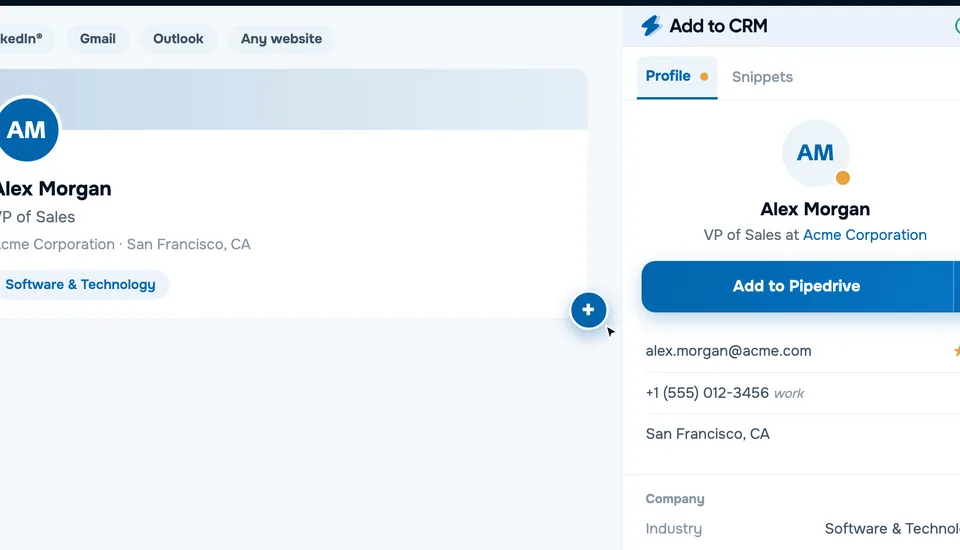
Add to CRM
A Chrome extension and web app we built and run, with sign-up, Stripe billing, teams and credits. It had 276 paying customers on 28 October 2026.
-
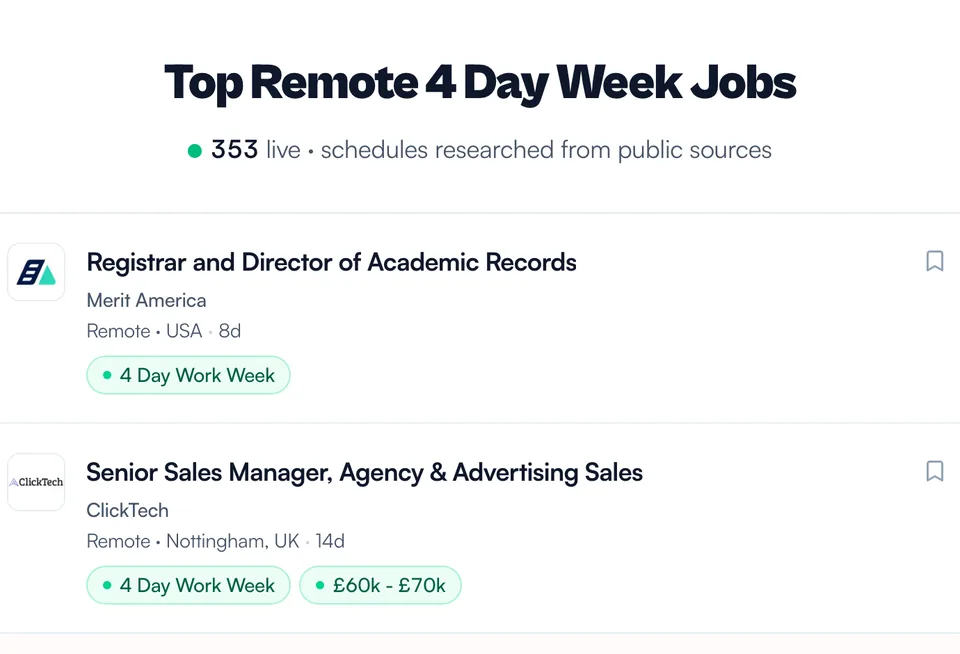
4dayweek.io
Started by Phil in December 2020 and grown since into a job board with search, paid plans, a public API and an AI service that reads job ads.
Questions
How long does an MVP take?
Long enough to do the core job properly and no longer. We set the timeline in the written scope before you commit, and keep the first version small enough that the timeline holds.
Can you work from our designs or a no-code version?
Yes. A clickable prototype or a no-code version is a good brief, because it shows what you mean. We'll rebuild what needs rebuilding and keep what works.
What happens after launch?
We host it, look after it and keep building with you as you learn what customers want. The monthly fee covers hosting and care; new features are quoted first.
Should we build at all yet?
Sometimes not. The right first step can be a landing page, a version you run by hand for your first customers, or a no-code tool. We'll tell you if building now is premature.
Do we own it?
Yes: the code, the data, the designs and the accounts it runs on. If you raise money or hire your own team, everything is ready to hand over.
Tell us what you want to build
A few lines is enough to start. Phil replies within one working day.
Start a project